Click here to view the two year curriculum overview for P.S.H.E
At Richmond Methodist Primary School (RMS), our vision is to “do all the good we can”. Guided by our Christian values of kindness, integrity, generosity and honesty, we aim to help every child flourish and become a reflective, resilient and responsible member of society.
We believe that Personal, Social, Health and Economic Education (PSHE) is an essential part of our broad and balanced curriculum. It equips children with the knowledge, skills, attitudes and values they need to lead healthy, safe and fulfilling lives, develop positive relationships, make informed decisions and prepare for life and work in modern Britain.
Our curriculum promotes equality, inclusion, mutual respect and understanding. It reflects British and Christian values and contributes to pupils’ spiritual, moral, social and cultural development (SMSC). We recognise that every child is unique and that learning must be accessible, relevant and responsive to pupils’ different backgrounds, experiences, abilities and needs.
Our curriculum is informed by the PSHE Association’s 2026 Programme of Study and the Department for Education’s statutory guidance for Relationships Education, Relationships and Sex Education (RSE) and Health Education. It is organised around two broad areas of learning:
- Relationships, Sex and Health Education (RSHE): enabling pupils to understand themselves and their bodies, develop healthy relationships, recognise personal boundaries, understand consent, keep themselves and others safe, and make informed, age-appropriate choices.
- Economic Wellbeing and Careers Education: helping pupils develop financial understanding, recognise their strengths and aspirations, explore the world of work and prepare for adult life and participation in society.
Through PSHE, we aim to develop children’s confidence, self-esteem, emotional literacy, empathy and respect for diversity. We want pupils to know how to seek help, recognise unsafe situations, understand their rights and responsibilities, and contribute positively to their communities. Financial education is an important part of this work, helping children understand money, budgeting, saving, spending and the choices involved in managing finances.
Implementation
Our PSHE curriculum is carefully planned, progressive and age-appropriate. Learning is revisited and built upon as children mature, ensuring that knowledge and skills develop over time. Curriculum planning is informed by the PSHE Association’s 2026 Programme of Study, statutory RSHE requirements and relevant National Curriculum Science content.
Relationships, Sex and Health Education (RSHE)
We teach children about families, friendships, respectful relationships, equality, diversity, personal boundaries, consent, online safety and how to recognise and respond to unsafe or harmful behaviour. Pupils learn about physical and mental health, emotional wellbeing, healthy lifestyles, personal hygiene, changes as they grow and how to seek support when they need it.
Relationships Education and Health Education are taught in accordance with statutory requirements. The school also provides age-appropriate sex education, carefully planned to meet pupils’ developmental needs and complement the statutory science curriculum. Parents and carers are informed about the school’s approach and the content of sex education, in line with statutory guidance and the school’s RSHE policy. Read our SRE Progression Document
Learning about bodies, growth and reproduction is sequenced sensitively. Children are taught accurate anatomical vocabulary from an early age, with learning developing as they progress through school. Year 5 focuses on puberty and the changes associated with adolescence, building on earlier learning about the human body, personal hygiene and growing up. Year 6 includes planned age-appropriate sex education, building on pupils’ understanding of reproduction, relationships, responsibility and personal safety. This sequencing sits within a whole-school progression that ensures relevant statutory content is taught at the appropriate stage, rather than being restricted to a single year group.
Economic Wellbeing and Careers Education
Pupils learn about money, budgeting, saving, spending, financial choices and the difference between needs and wants. They explore the importance of work, different jobs and careers, their own interests and strengths, and the skills and attitudes that can help them achieve their aspirations. Learning supports pupils to develop independence, responsibility and an understanding of their place in the wider world.
Teaching and learning
Teaching is delivered through a range of approaches, including stories, discussion, questioning, role play, scenarios, collaborative activities and appropriate online resources. These approaches provide opportunities for pupils to practise communication, decision-making, problem-solving, empathy and help-seeking in a supportive environment.
We establish clear ground rules for sensitive discussions and respond to pupils’ questions honestly, calmly and in an age-appropriate way. Staff use correct terminology and avoid language that could create shame or confusion. Teachers are mindful of pupils’ different experiences, family circumstances, cultures and beliefs, while ensuring that teaching remains inclusive and meets statutory requirements.
Pupil voice informs our planning and review. We draw on pupil conferencing, relevant school information and the Growing Up in North Yorkshire Bi-annual Questionnaire, where appropriate, to identify needs, evaluate learning and refine provision.
Inclusion and SEND
PSHE is for every child. We adapt teaching to enable pupils with special educational needs and disabilities (SEND) to access essential learning and develop the knowledge and skills needed to stay safe and participate in society. Adaptations may include visual supports, symbols, social stories, pre-teaching, repetition, structured language, alternative communication methods, additional processing time and carefully differentiated activities.
Staff work with the SENCO, families and relevant professionals where appropriate to ensure that teaching is accessible and responsive. We recognise that some pupils may need additional opportunities to practise concepts such as personal space, privacy, boundaries, consent, recognising emotions and identifying trusted adults. All pupils are supported to communicate concerns and access safeguarding help in ways appropriate to their communication needs.
Safeguarding and partnership with families
PSHE supports the school’s wider safeguarding responsibilities. Pupils learn how to identify trusted adults, ask for help, recognise unsafe situations and understand how to protect themselves and others, including online. Staff follow the school’s safeguarding and child protection procedures when concerns or disclosures arise.
We recognise parents and carers as children’s prime educators and value their partnership. The school builds on the learning and experiences pupils bring from home, communicates its approach to RSHE and provides opportunities for parents and carers to understand the curriculum. We teach sensitively and respectfully while ensuring that pupils receive the knowledge and protection to which they are entitled.
Safeguarding themes progression map
Impact
Through our PSHE curriculum, we want pupils to leave Richmond Methodist Primary School Ready, Mutually respectful and Safe. They should feel welcomed, valued and included, and understand that their actions can make a positive difference to the lives of others.
Pupils will develop the knowledge, skills and confidence to:
- Build and maintain healthy, respectful relationships.
- Understand emotions, recognise personal boundaries and respect the boundaries of others.
- Make age-appropriate decisions about their health, wellbeing and safety.
- Understand their bodies, growing up, puberty and relevant aspects of reproduction.
- Recognise unsafe behaviour, seek help and identify trusted adults.
- Respect differences, challenge unfairness appropriately and contribute positively to their community.
- Understand money, make informed financial choices and begin to explore future learning and career opportunities.
- Demonstrate resilience, responsibility, empathy and respect for themselves and others.
We evaluate the impact of our curriculum through ongoing assessment, pupil discussion and conferencing, teacher reflection and review of pupils’ understanding and confidence. We use this information to identify gaps, revisit key learning and adapt teaching so that pupils can make progress from their individual starting points.
Ultimately, we aim for every child to leave RMS with the knowledge, skills and values needed to navigate life safely and confidently, care for themselves and others, and live out our school vision to “do all the good we can”.
Relationships and Health Education
Friendship and Anti-Bullying Whole School Progression Map
What does Relationships and Health Education mean for your child?
Talking to your child about Sex and Relationships
Read our SRE Progression Document
The School has a Relationships and Sex Education (RSE) Policy, available on request, formed after consultation with parents, teachers and governors. It determines our curriculum which has been planned using statutory guidance and in line with the P.S.H.E Association Programmes of Study. Our RSE content is interwoven within our P.S.H.E curriculum and also through other relevant curriculum areas such as Science, Physical Education and Computing.
Safeguarding
Safeguarding themes progression map
British Values
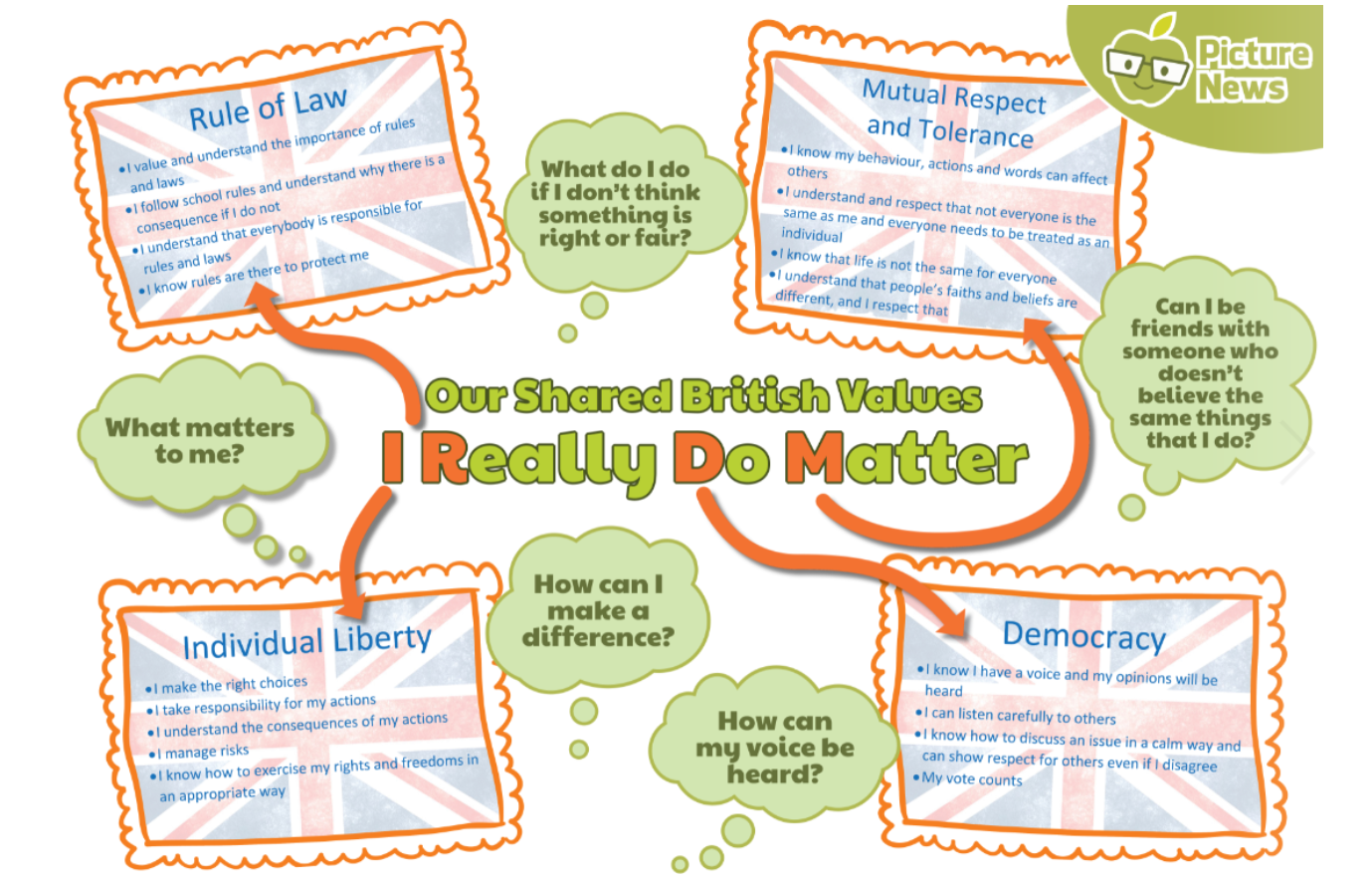
At Richmond Methodist Primary School (RMS), our values are underpinned by the fundamental British values of democracy, the rule of law, individual liberty, and mutual respect and tolerance of those with different faiths and beliefs.
We live out our vision to “do all the good we can” and our school commitment to being “Ready, Mutually Respectful and Safe”. Our ethos is that we welcome everyone and are “for all”, ensuring that every child and family feels valued, included and respected.
These fundamental British values are woven throughout school life and link closely with our Christian values, helping to shape our commitment to equality, fairness, respect and responsibility. We encourage pupils to listen to others, express their views respectfully, understand the importance of rules and laws, make responsible choices and recognise that everyone has a valuable contribution to make.
We promote equality and challenge discrimination. We recognise the nine protected characteristics identified in the Equality Act 2010: age, disability, gender reassignment, marriage and civil partnership, pregnancy and maternity, race, religion or belief, sex, and sexual orientation.
Our Christian ethos sits alongside a commitment to understanding people whose beliefs, cultures, backgrounds and experiences differ from our own. Through our curriculum, collective worship and daily interactions, pupils learn about people, faiths and cultures within our local community and beyond Richmond. We aim to prepare children to participate positively in modern Britain and the wider world, treating others with dignity, compassion, fairness and respect.
PREVENT - what does it mean and how can I help
All teaching and non teaching staff have attended the PREVENT training. Children in Year 5 and 6 become familiar with the term PREVENT and that it is everyone's duty to safeguard themselves and others against terrorism.
Protecting children from radicalisation: the prevent duty
Educate Against Hate - Parents Hub
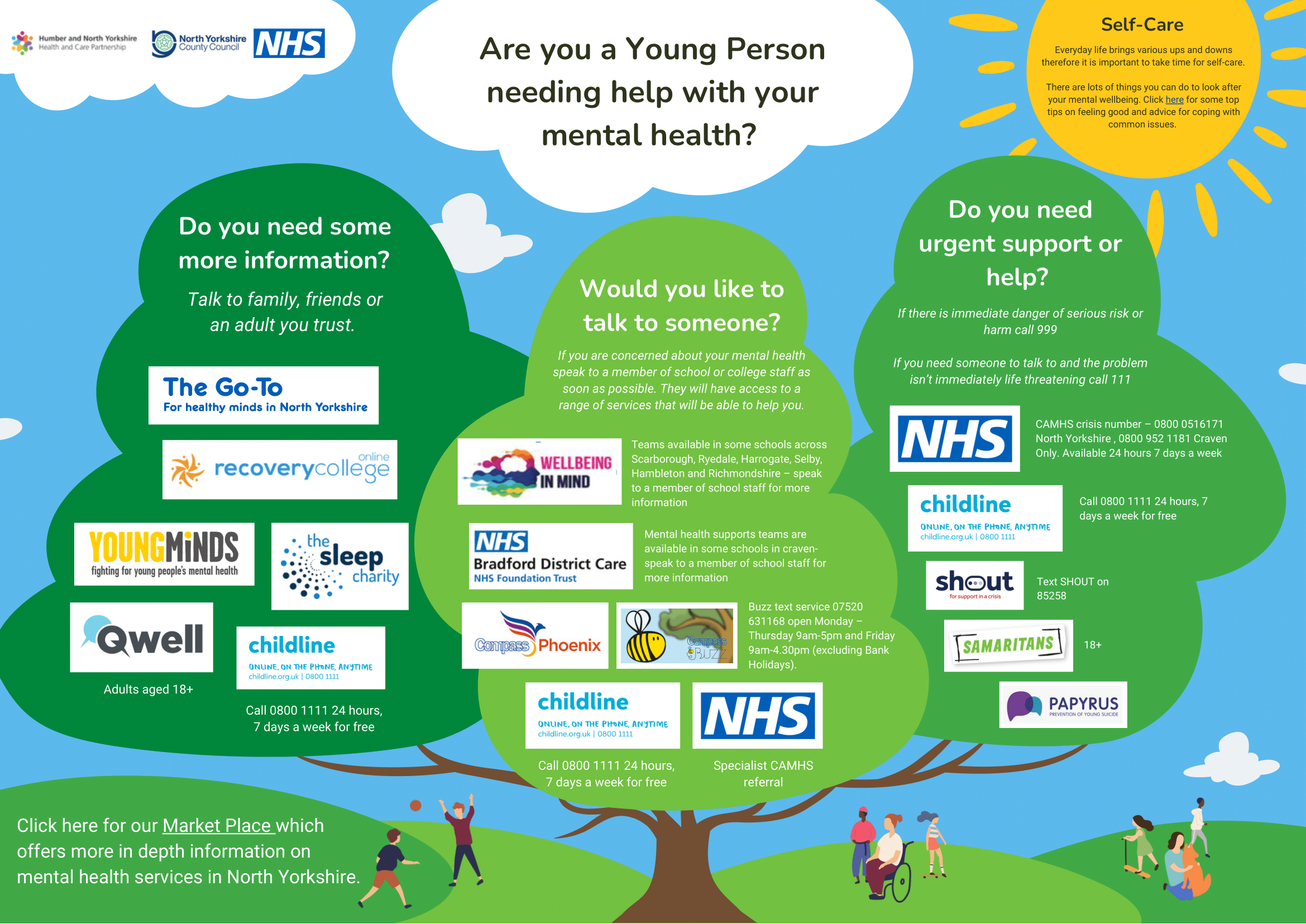
Mental health and wellbeing
Safeguarding Support for Parents
Safeguarding - Working together
https://www.safeguardingchildren.co.uk/parents-carers/
https://www.beateatingdisorders.org.uk/
https://www.nspcc.org.uk/keeping-children-safe/support-for-parents/
https://www.thinkuknow.co.uk/parents/
https://www.nhs.uk/healthier-families/
Anti Bullying
At RMS we do not tolerate bullying. We use the National Anti Bullying Awareness week’s to highlight our anti bulling stance however it is omnipresent through our behavioural policy and in every conversation where we are “Ready, Mutually Respectful and Safe” and we always “do all the good we can” at every opportunity. We teach our RMS family:
- the definition of respect and acceptable behaviour choices.
- that bullying is an unacceptable behaviour choice.
- that we all need to choose to respect each other both face to face and online to keep ourselves and others safe.
- where to find help when we find behaviour unacceptable.
We hope this work enables us to continue to learn and grow as members of the school and wider community.
https://anti-bullyingalliance.org.uk/tools-information/advice-and-support/advice-parents-and-carers